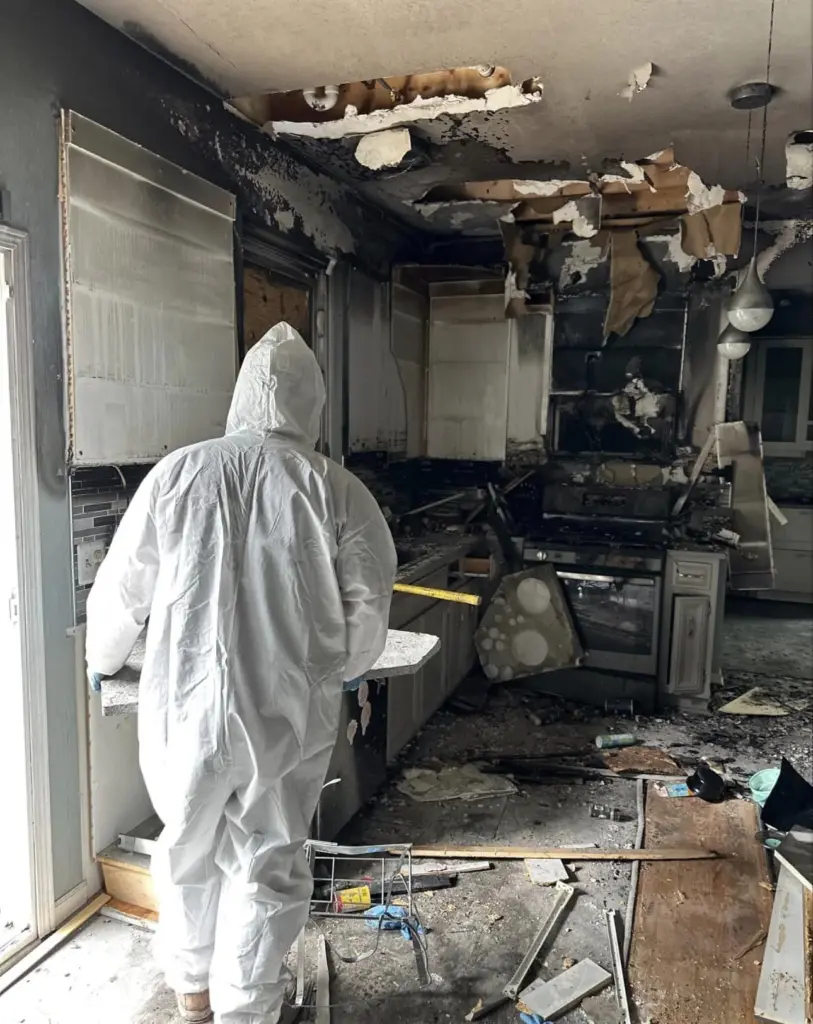
Smoke damage can be confusing because it is not always limited to the area where the fire happened. Even a small cooking fire, electrical issue, appliance fire, or nearby smoke event can leave behind soot, residue, and strong odors throughout a property. In Florida, heat and humidity can make lingering smoke smells feel stronger and harder to remove.
The most important thing after smoke damage is to avoid rushing into cleanup without understanding how far the smoke traveled. Smoke particles can settle into walls, ceilings, furniture, fabrics, cabinets, vents, and HVAC systems. Professional smoke damage cleanup helps remove residue safely and treat the odor at the source.
Start with safety first
If the smoke damage followed a fire, do not re enter the property until emergency responders confirm it is safe. Smoke, soot, damaged wiring, weakened materials, and water from firefighting efforts can all create hazards. Once the property is safe to enter, avoid touching soot covered surfaces or moving items around unnecessarily.
Soot can smear easily and may stain surfaces if cleaned the wrong way. Running the HVAC system too soon can also move smoke particles through clean rooms. It is better to document visible damage with photos, then call a professional cleanup team.
Why smoke damage spreads so easily
Smoke is made of tiny particles that can move through open rooms, cracks, vents, wall cavities, and air systems. That is why smoke odor may be noticeable in rooms that were never touched by flames. Porous materials like fabric, carpet, insulation, wood, and drywall can absorb smoke odor quickly.
In many cases, the visible soot is only part of the problem. The odor source may be inside soft materials, furniture, HVAC components, or hidden spaces. Without proper cleaning and deodorization, the smell can return again and again.
What smoke damage cleanup usually involves
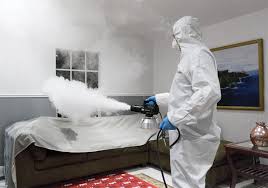
Smoke damage cleanup begins with inspection. Odor Specialists checks visible residue, soot patterns, odor strength, affected materials, and areas where smoke may have traveled. From there, the cleanup may include surface cleaning, soot removal, debris removal, air filtration, odor treatment, and restoration planning.
The process is designed to remove smoke residue and treat lingering odors instead of simply masking them. Some materials may be cleaned and restored, while heavily affected porous materials may need special handling or removal.
Do not rely on air fresheners alone
Air fresheners, candles, sprays, and plug ins may cover smoke odor temporarily, but they do not remove soot or smoke particles. Painting over smoke affected surfaces without proper cleaning can also trap odors and cause stains to bleed through later.
Professional smoke damage cleanup focuses on the source. That means cleaning affected surfaces, treating materials that absorbed odor, checking HVAC related areas, and using odor control methods suited to the condition of the property.
When to call for help
Call for smoke damage cleanup when you notice soot, dark residue, lingering smoke odor, odor that returns after cleaning, smoke smells from vents, or signs that smoke traveled beyond the original area. Quick action helps protect the property and makes the cleanup process easier to manage.
For smoke damage cleanup in Florida, contact Odor Specialists at (305) 906-1709.